Authentic Kahaniyan

Research for film and televisionA story has a world to live in.

An idea may begin with a place you have never been, a profession you want to understand, or a past you are trying to enter.

Authentic Kahaniyan does historical and subject research for writers, directors and producers. We also review scripts and gather references for production.

A World Between PagesCollage after a Pali manuscript (1700s), a river at the forest’s edge (1700s) and a cut-paper album page (1625–50).AK.26.01 · Sources

Clients.

The Many-Windowed RoomCollage after an inlaid game board (1600s), Hiroshige’s Moon-Viewing Promontory and a Bengal kantha (1800s).AK.26.02 · Sources
  • Tiger Baby
  • BBC
  • Maddock Films
  • Amazon Prime
  • Adlabs Films
  • Abundantia Entertainment
  • Namah Pictures
  • Dharma Productions
  • Disney+ Hotstar
  • Leo Media Collective
  • Applause
  • Tiger Baby
  • BBC
  • Maddock Films
  • Amazon Prime Video
  • Adlabs Films
  • Abundantia Entertainment
  • Namah Pictures
  • Dharma Productions
  • Disney+ Hotstar
  • Applause Entertainment

Directors we’ve worked with.

Where the Eye PerchesCollage after a Mughal falcon (c. 1610), Paul Klee’s Tightrope Walker and Hiroshige’s Moon-Viewing Promontory.AK.26.03 · Sources
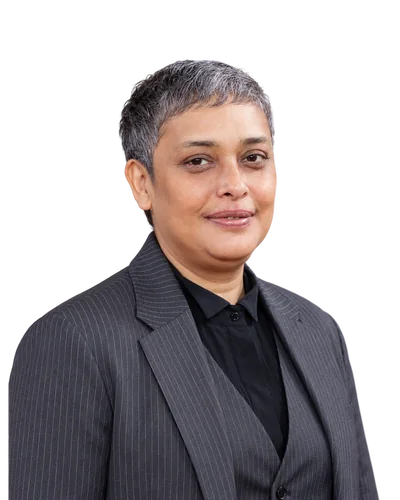
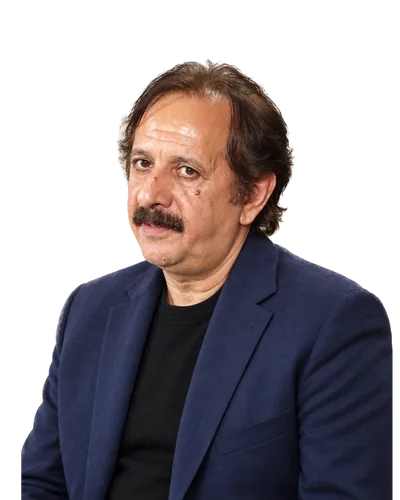
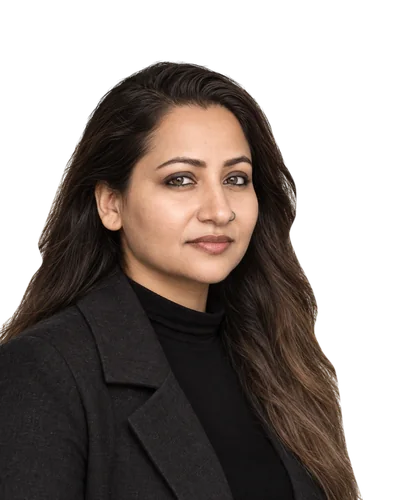
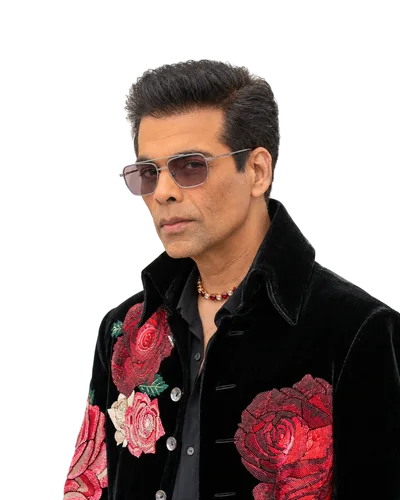
  1. Alankrita Shrivastava
  2. Avinash Arun
  3. Zoya Akhtar
  4. Hansal Mehta
  5. Reema Kagti
  6. Majid Majidi
  7. Shazia Iqbal
  8. Karan Johar

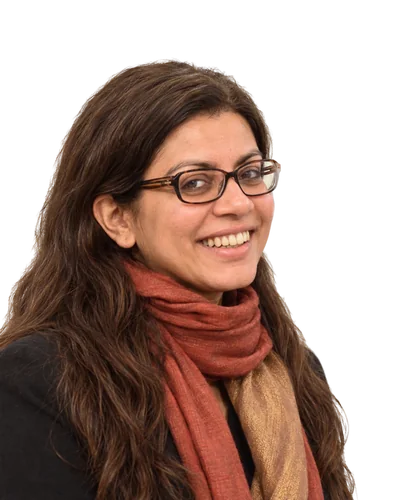
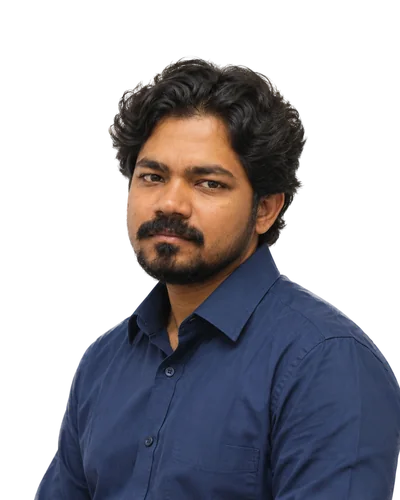
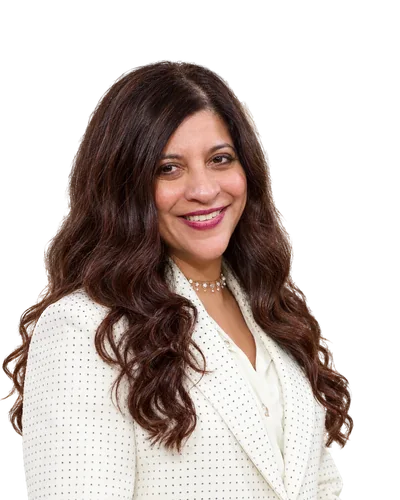
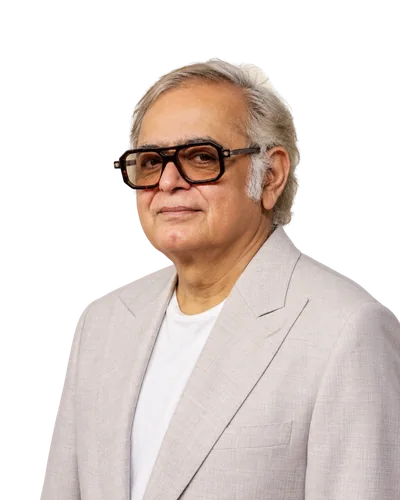
New portraits, made for this site from photographs credited on the sources page.

Research, from development to production.

The questions change as the story takes shape.

Elephants in PencilCollage after a gouache of a courtesan at her hair, an elephant practice sheet (1700s) and a Shunga terracotta chariot.AK.26.04 · Sources
The Place Behind a FaceCollage after a Hikone chintz (1600s), a watercolour of giant aubergines and an Asavari Ragini (c. 1650).AK.26.06 · Sources

Story development

Give the writing somewhere to begin.

You may start with an event, a profession or a place. We follow the records, speak to people who know the subject and look for the circumstances a story might grow out of.

The work might turn up the daily routine of a profession or the pressures inside an institution. We hand it over as a chronology or a research brief, and a larger investigation can become a research bible.

How we work.

Before the Question Has a ShapeCollage after a Tuti-nama garden (c. 1560), an elephant practice sheet (1700s) and a flowering marigold (1700s).AK.26.10 · Sources

1 · Starting a brief

You can begin before the idea has found its shape.

Bring an idea, a draft or the material you have gathered. We discuss what you are making, where research could help and when you need it. Together, we agree the questions to pursue and the form the work should take.

Across the RiverCollage after a Ragamala page (c. 1750), an Odia palm-leaf romance (c. 1740) and a river at the forest’s edge (1700s).AK.26.11 · Sources

2 · Sources, interviews and field research

A record can give you a date. A person can tell you what it was like.

We work through written accounts, interview people who know the subject and, where useful, visit the places connected to it. We compare what each source can establish and keep the differences between accounts visible.

We plan interviews and visits around access and consent, and what someone is willing to share decides how it can be used.

The Thread Stays With ItCollage after Madhava at his vina (c. 1720), a Pali manuscript (1700s) and a peacock border (1600s).AK.26.12 · Sources

3 · The handover

Something to return to as the story changes.

It might be a short brief, a timeline, notes on a script or a research bible. Every finding keeps its source, so a writer or a department can go back to it and take a question further.

Reproducing or adapting what we find needs its own permissions and legal review.

Tied with KanthaCollage after a Pali manuscript (1700s), a taus (1800s) and a Bengal kantha (1800s).AK.26.05 · Sources

Dushyant Arora and Chandni.

Founder

Dushyant Arora

A lawyer, writer and research consultant. His work includes published writing and research for filmmakers and non-profits.

His writing and other work

Co-founder and lead researcher

Chandni

A multidisciplinary artist who works across the visual and performing arts.

Another Kind of KnowingCollage after a Tuti-nama page (c. 1560), a duck-shaped paan box (c. 1700) and Paul Klee’s Carnival in the Snow.AK.26.14 · Sources

And the people a question calls for.

Some briefs need another kind of knowledge: a journalist who knows a subject, a lawyer who can explain a procedure, an art director working through a period setting. We discuss those needs as part of the brief and agree who should be involved.

Tell us about your project.

Start with the part you are still finding out.

Say what you are making, how far along it is and what you need to find out. You do not need a finished brief or a full script.

Bring the Unfinished PartCollage after a Todi Ragini (c. 1610), Zain al-Din’s thrush and moth (1778) and a Bengal kantha (1800s).AK.26.15 · Sources

Or start here.

The address to reply to.

What you need to find out, and by when. A few lines is plenty.

We use what you send only to reply to you.

This opens your email app with everything filled in.
Discuss a brief